
Kids Basketball Shoes — The Ultimate Long-Form Guide for Parents, Coaches & Young Athletes
Kids basketball shoes play a critical role in shaping how young athletes move, learn, and stay safe on the court. They are more than stylish footwear—they are protective gear designed with purpose, precision, and performance in mind. As youth basketball participation continues to rise, understanding the deeper science behind kids basketball shoes has become essential for parents, guardians, and coaches who want the best for their players. The process of selecting these shoes is not simply about picking the right size or favorite color; it is about understanding how kids basketball shoes are engineered to protect growing feet, support athletic development, and enhance overall performance.
Kids are highly active, often more energetic than adults, and they frequently experiment with movement patterns that place stress on developing bones, muscles, and ligaments. Kids basketball shoes exist to reduce injury risks while helping them grow into strong, coordinated athletes. Many children begin basketball as early as age five or six, when their motor skills are still forming. During these early years, their bodies are more flexible but also more vulnerable because their bones have not fully ossified. This is why well-designed kids basketball shoes prioritize stability, cushioning, and proper foot alignment.
Understanding the Anatomy of Kids Basketball Shoes
To choose the right pair, it helps to understand the components of kids basketball shoes. While the design may look simple, every part serves a specific function that directly affects a child’s performance and safety.
1. The Upper
The upper portion of kids basketball shoes is made from engineered mesh, synthetic leather, knit fabric, or blended materials. This part of the shoe must strike the right balance between support and breathability. Children tend to sweat more during intense sports, and poor ventilation can cause overheating, discomfort, and blisters. Quality kids basketball shoes feature breathable mesh combined with strategically placed overlays that stabilize the foot without restricting movement.
2. The Midsole
The midsole is often considered the heart of the shoe because it controls cushioning and shock absorption. Kids basketball shoes typically use EVA foam, injected foam, air units, or proprietary cushioning technologies. The midsole absorbs the force generated during jumping and landing, helping protect the knees, ankles, and hips from excessive strain. Children who practice on outdoor courts or hard surfaces rely even more heavily on cushioning to minimize long-term impact stress.
3. The Outsole
The outsole provides traction, which is essential for basketball’s explosive lateral movements. Kids basketball shoes typically feature rubber outsoles with multidirectional traction patterns like herringbone or radial lines. This gives children the confidence to move quickly, stop abruptly, and change direction without slipping. Indoor courts require softer, grippy rubber, while outdoor courts demand a slightly harder compound for durability.
4. The Heel Counter
The heel counter stabilizes the back of the foot and prevents unwanted side-to-side motion. Kids basketball shoes incorporate firm heel counters that improve alignment and reduce the risk of rolling an ankle—one of the most common youth basketball injuries.
5. The Toe Box
Kids need a toe box that is spacious enough to allow natural toe movement but structured enough to prevent jammed toes during sudden stops or collisions. Kids basketball shoes usually include reinforced toe areas for extra protection.
Why Kids Need Dedicated Basketball Shoes Instead of Regular Sneakers
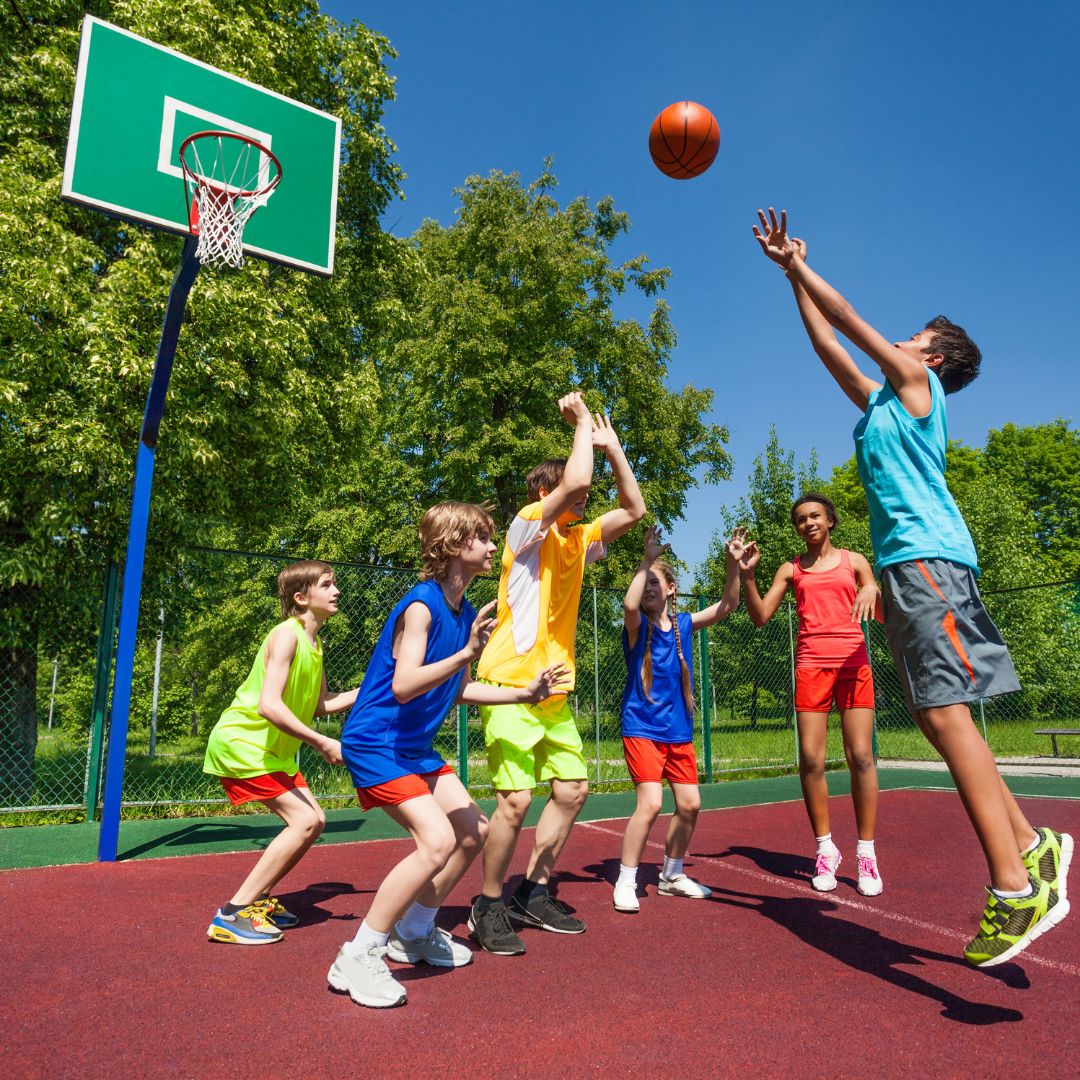
Many parents wonder whether running shoes or everyday sneakers are “good enough.” The short answer is no. Kids basketball shoes are designed specifically for:
- Lateral support (running shoes support forward motion only)
- Impact protection (regular sneakers are not built for constant jumping)
- Court-specific traction (everyday shoes can slip during quick movements)
- Ankle stability (kids need structured support to prevent rolling injuries)
When children play basketball in shoes not designed for the sport, their risk of sprains, falls, and overuse injuries increases dramatically. Kids basketball shoes reduce these risks through specialized support, stability features, and cushioning systems tailored to the demands of the game.
Types of Kids Basketball Shoes: High-Top, Mid-Top & Low-Top
Every young player has a different playing style, so the ideal shoe type depends on how they move on the court.
High-Top Kids Basketball Shoes
These offer the most ankle support, wrapping around the ankle with padding and structured fabric. They are excellent for beginners or children who have a history of ankle instability. High-tops are also recommended for young players who jump frequently or play aggressive defense.
Mid-Top Kids Basketball Shoes
These provide a balance of ankle support and mobility. Mid-tops are ideal for versatile players who perform both guard and forward roles. They are a popular choice because they accommodate multiple play styles.
Low-Top Kids Basketball Shoes
Low-tops emphasize speed, agility, and lightweight performance. They are suitable for older kids with strong ankle stability and quick movement patterns. However, they offer less protection and are generally not recommended for very young beginners.
How Kids’ Foot Growth Affects Shoe Selection
Children’s feet grow rapidly and often unpredictably. A child may go up one shoe size in a few months and then remain stable for the next season. Because kids basketball shoes must fit securely to function properly, choosing the right size becomes extremely important.
Here are essential guidelines:
- Avoid “growing room” larger than one thumb’s width, because oversized shoes increase injury risk.
- Check space every 6–8 weeks, especially for younger children.
- Monitor for pressure points, which can disrupt natural foot development.
Kids should always try on basketball shoes with their game socks to ensure accurate fit and comfort.
Common Foot Problems Kids Basketball Shoes Can Prevent
Properly chosen kids basketball shoes can prevent or reduce several foot-related issues that are common in young athletes:
Flat Feet Pain
Children with flat feet need additional arch support. Many kids basketball shoes include internal shanks or removable insoles designed for stability.
Heel Pain (Sever’s Disease)
This is a common growth-related condition. Kids basketball shoes with strong heel cushioning help reduce stress on the heel plate.
Ankle Sprains
Supportive collars, strong heel counters, and firm lateral outriggers help prevent ankle rolling.
Toe Injuries
Reinforced toe boxes reduce impact during collisions or sudden stops.
The Importance of Traction in Kids Basketball Shoes
Basketball is one of the few sports where traction directly influences performance and safety. Kids frequently slip due to lack of grip, especially on dusty courts.
Proper traction helps children:
- Stop confidently
- Change direction quickly
- Hold their defensive stance
- Perform crossovers without sliding
- Avoid unnecessary falls
Kids basketball shoes with sharp, deep traction patterns perform best on indoor courts, while outdoor play requires wider, more durable tread designs.
Material Technology in Modern Kids Basketball Shoes
Brands continually innovate material technology to improve comfort and performance:
- Engineered Mesh allows airflow while maintaining structural integrity.
- Synthetic Leather increases durability for toe-draggers and aggressive movers.
- Knit Uppers offer flexibility and natural movement without compromising lockdown.
- Foam Pods placed around the ankle create a more comfortable and secure fit.
These fabrics must withstand intense practice sessions, playground use, and sometimes everyday wear, making durability an essential design requirement.
Cushioning Systems in Kids Basketball Shoes
Cushioning technology varies by brand, but all aim to protect growing joints and improve comfort.
Common cushioning systems include:
- EVA Foam — lightweight and responsive
- Air Units — reduce impact during high jumps
- Gel Pads — absorb shock during landings
- Bounce Foam — springy and energy-returning
- Zoom Air — responsive cushioning for speed players
The right cushioning helps children practice longer, reduce fatigue, and maintain proper form.
Lockdown Systems: Laces, Straps & Hybrid Designs
A secure lockdown prevents the foot from moving inside the shoe.
Kids basketball shoes may include:
- Traditional laces
- Velcro straps
- Elastic no-tie systems
- Lace-and-strap combinations
Younger children benefit from straps and elastic systems, while older, competitive players prefer laces for better adjustability.
Durability Factors to Look For
Children are tough on shoes. To ensure durability:
- Check outsole thickness
- Look for double-stitched seams
- Choose abrasion-resistant toe caps
- Check for reinforced eyelets
- Inspect midsole construction for compression resistance
Outdoor players especially need kids basketball shoes designed with harder rubber compounds.
Psychological Confidence Boost from Good Shoes
Kids enjoy wearing shoes that resemble professional athletes’ signature models. When children wear stylish, well-performing kids basketball shoes, they often feel more confident, which can positively influence:
- Shooting accuracy
- Defensive aggressiveness
- Speed and agility
- Willingness to take risks
- Overall motivation to train
Confidence is a hidden performance factor that parents often overlook.
Brand Comparisons: Which Kids Basketball Shoes Perform Best?
Different brands approach footwear technology in unique ways. Understanding their strengths helps parents select the ideal kids basketball shoes based on a child’s style, age, and experience level.
Nike Kids Basketball Shoes
Nike is known for producing lightweight and responsive kids basketball shoes with advanced cushioning systems such as Zoom Air and Air Max. They focus heavily on traction and lockdown, making their shoes great for fast, agile guards. Nike’s kids lines often mimic adult signature models, which gives children added excitement and motivation when wearing them. They tend to run slightly narrow, so they are ideal for slim to average foot shapes.
Adidas Kids Basketball Shoes
Adidas emphasizes comfort, cushioning, and broad-fit designs. Their Bounce and Lightstrike midsoles are perfect for children who need extra impact absorption. Adidas kids basketball shoes often feel plush underfoot and accommodate wider feet more easily. They offer strong durability, making them suitable for outdoor courts and everyday use.
Under Armour Kids Basketball Shoes
Under Armour designs kids basketball shoes with strong support, firm heel counters, and excellent stability. Their shoes are great for young players who rely on strength, defense, or rebounding. Many models feature Micro G cushioning or HOVR technology, delivering a good balance of responsiveness and protection. These shoes often fit securely and benefit players who want added ankle structure.
Puma Kids Basketball Shoes
Puma has made a strong comeback in performance basketball, offering lightweight, breathable models with excellent traction. Their kids basketball shoes are known for comfort and style, making them popular among younger players. They often feature ProFoam midsoles that feel soft yet springy.
Jordan Kids Basketball Shoes
Jordan models emphasize style with performance. These kids basketball shoes incorporate Nike technology but focus on bold designs and durable materials. They offer strong ankle support and firm lockdown, making them ideal for athletic, energetic players who play aggressively.
New Balance Kids Basketball Shoes
New Balance shoes are designed with stability and comfort in mind. They work exceptionally well for children with wider feet. Their FuelCell cushioning feels responsive without being too soft, helping young athletes maintain balance and control.
Indoor vs. Outdoor Kids Basketball Shoes
Not all courts are the same, and not all kids basketball shoes perform equally on every surface. Parents should understand the differences so they can choose the right pair for their child’s routine.
Indoor Kids Basketball Shoes
Indoor courts are smoother, dustier, and usually made of hardwood or composite materials. For indoor use, kids basketball shoes must provide:
- Soft, sticky rubber for maximum grip
- Lightweight cushioning
- Flexible uppers
- Traction patterns designed for polished surfaces
These shoes wear out quickly outdoors, so they should be reserved for gym play.
Outdoor Kids Basketball Shoes
Outdoor courts are rougher, uneven, and more abrasive. Outdoor play requires kids basketball shoes with:
- Harder, more durable rubber outsoles
- Stronger toe protection
- Additional cushioning for concrete impact
- More robust stitching and overlays
A child who practices outdoors should always use outdoor-specific models to avoid rapid shoe breakdown.
Hybrid Kids Basketball Shoes
Some modern kids basketball shoes are suitable for both indoor and outdoor courts. They use medium-density rubber and reinforced uppers. They are ideal for children who split time between gym practice and playground play.
How Long Do Kids Basketball Shoes Last?
The lifespan of kids basketball shoes depends on several factors:
1. Frequency of Use
Shoes worn daily wear out faster than shoes used only for games or practice.
On average:
- Frequent use: 3–4 months
- Moderate use: 5–7 months
- Weekend practice use: 8–12 months
2. Indoor vs. Outdoor Play
Outdoor play wears down traction 2–3 times faster. Indoor-only kids basketball shoes last much longer.
3. Growth Spurts
Kids often outgrow shoes before they wear them out. Parents should monitor toe space monthly.
4. Playing Style
Children who drag their feet, dive for loose balls, or play aggressively may wear out shoes faster.
Signs It’s Time to Replace Kids Basketball Shoes
Parents should look for the following signals:
- Outsole traction noticeably smooth or peeling
- Midsole cushioning feels flat or stiff
- Heel slipping during movement
- Upper fabric tearing or overstretched
- Child complains of foot pain after practice
- Shoe feels loose or too tight due to growth
Replacing worn kids basketball shoes prevents injuries and ensures proper performance.
How to Properly Size Kids Basketball Shoes
To ensure the best fit:
1. Measure Feet at the End of the Day
Feet swell slightly throughout the day. Measuring at night ensures a more accurate fit.
2. Leave a Thumb’s Width of Space
Too much space is dangerous, but a small gap allows natural toe movement.
3. Test with Basketball Socks
Game socks are thicker, especially compression styles.
4. Check Heel Lockdown
The heel should not lift when the child walks, runs, or jumps.
5. Monitor Foot Shape
Flat, neutral, and high-arched feet each require different support levels.
How Kids Can Test Their Basketball Shoes Before Buying
Coaches recommend these quick court tests:
- Jump Test — shoes should feel cushioned upon landing
- Sprint Test — check traction and heel stability
- Side Shuffle Test — ensure ankle support and lateral grip
- Flex Test — forefoot should bend naturally but not excessively
- Balance Test — child should feel steady during single-leg stance
These tests reveal whether kids basketball shoes support real-game movements.
Shoe Maintenance Tips Parents Should Know
Proper care can double the lifespan of kids basketball shoes:
- Avoid machine washing — it damages glue and cushioning
- Clean soles regularly — improves traction
- Air-dry shoes — never use heat
- Use separate indoor and outdoor shoes
- Untie laces before removing shoes — prevents heel counter damage
- Store in a cool area — heat causes midsole breakdown
Good maintenance keeps kids basketball shoes performing at their best.
How Coaches Evaluate Kids Basketball Shoes
Professional youth coaches consider:
- Support during defensive slides
- Stability during pivots
- Responsiveness during transitions
- Breathability during long practice sessions
- Cushioning for repetitive drills
Coaches frequently observe players’ footwork and can spot when kids basketball shoes are affecting technique or causing discomfort.
Psychological and Skill Development Benefits
Wearing high-quality kids basketball shoes helps children:
- Feel confident
- Move more freely
- Learn proper mechanics
- Avoid injury-related fear
- Enjoy the sport more deeply
A comfortable, stable shoe improves the learning environment and boosts long-term athletic development.