
Why Do Horses Need Shoes: Beneficial Expert Insights for a Powerful Understanding
Understanding why do horses need shoes has been a topic of discussion among horse owners, trainers, and veterinarians for centuries. From ancient war horses crossing rocky terrains to modern equestrian athletes competing on specialized surfaces, horses have always relied on hoof protection to maintain health, performance, and longevity. This extensive, guide explores the science, history, biomechanics, benefits, myths, and real-world considerations behind it, giving you a complete and empowering understanding of hoof care.
The History Behind Why Do Horses Need Shoes
Early Hoof Protection
Humans first began exploring shoes thousands of years ago. Early civilizations noticed that domesticated horses, especially those traveling long distances or carrying heavy loads, experienced hoof wear much faster than wild horses. This led to primitive solutions such as rawhide wrappings, woven mats, and early leather boots.
Iron Horseshoes in Warfare
As armies expanded across Europe and Asia, soldiers learned shoes the hard way—unprotected hooves broke down quickly on long marches. The invention of the nailed iron horseshoe transformed warfare by enabling horses to travel farther, carry more weight, and move confidently on harsh terrain.
The Farrier Profession Emerges
Once societies understood shoes consistently, professional farriers emerged as essential workers. Their specialized understanding of hoof anatomy, trimming, and shoeing set the foundation for modern equine podiatry.
Horse Hoof Anatomy and Its Role in Why Do Horses Need Shoes
To fully understand shoes, one must first understand how a horse’s hoof functions.
The Hoof Wall
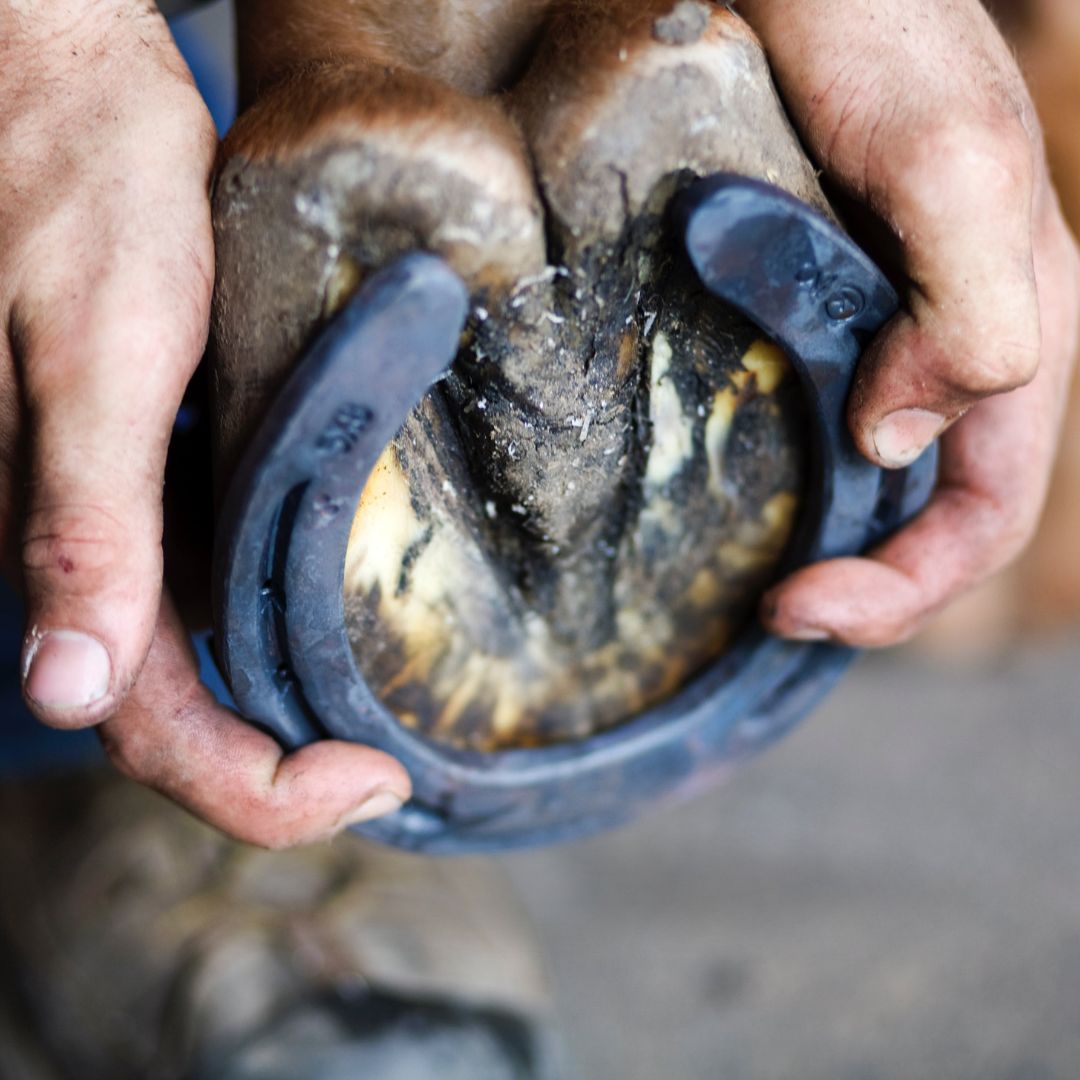
The hoof wall provides the primary weight-bearing surface. It’s strong yet vulnerable to excessive wear, cracks, and bruising without protection, reinforcing the importance of discovering shoes for different lifestyles.
The Sole
The sole supports internal structures but is not meant for direct, prolonged impact with hard surfaces. Horses working on roads, rocky trails, or arenas often need shoes to shield the sole.
The Frog
The frog acts as a shock absorber and pumps blood back up the leg. Proper shoeing can enhance this natural mechanism, adding another layer to understanding shoes.
Internal Structures
Inside the hoof are the coffin bone, digital cushion, and laminae. These are delicate and can be damaged if the hoof wears down too fast—another biological reason behind shoes.
The Core Reasons Why Do Horses Need Shoes
Below are the most widely accepted and scientifically supported explanations for shoes.
Protection Against Excessive Hoof Wear
Domesticated horses often live and work in conditions that differ significantly from natural environments. This difference helps explain shoes: without them, hooves may wear faster than they grow.
Shock Absorption
The pounding forces from jumping, running, or carrying riders can strain joints and tendons. Farriers recommend shoeing performance horses because it provides an additional shock-absorbing layer. This factor contributes heavily to shoes in competitive disciplines.
Traction and Grip
Horses performing in sports or working on slippery surfaces benefit from customized shoes with added grip. When studying shoes, traction is always one of the top reasons.
Correcting Conformation Issues
Some horses are born with uneven gaits, crooked legs, or structural imbalances. Special corrective shoes can realign movement and improve comfort. This therapeutic aspect of shoeing is crucial in understanding shoes for long-term soundness.
Supporting Injured or Weak Hooves
When dealing with hoof cracks, laminitis, or navicular disease, therapeutic shoes play a life-saving role. Vets often emphasize this when explaining why do horses need shoes during rehabilitation.
Protection on Rough Terrain
Working ranch horses, police horses, and trail horses regularly encounter demanding surfaces. Their hooves need protection to avoid chips, bruises, and splitting. Environmental risks alone help clarify shoes in many working conditions.
Enhancing Performance
Dressage, racing, jumping, polo, and eventing horses frequently wear specialized shoes designed to distribute pressure, improve balance, and support specific athletic maneuvers. Performance optimization offers a strong argument in favor of shoes for competitive success.
Preventing Hoof Diseases
Proper shoeing and trimming can prevent bacterial infections, thrush, laminitis complications, and hoof wall deterioration. Maintaining hoof health is a major part of understanding shoes in a well-managed equine program.
Weight Distribution
Shoes help distribute the horse’s weight more evenly, which can reduce strain on joints and ligaments. This biomechanical improvement explains a significant part of shoes for long-term structural health.
Seasonal Changes
During winter, snow and ice can pack into unshod hooves, increasing risks of slipping and injuries. In summer, dry ground can cause excessive wear. Seasonal factors strongly influence shoes depending on climate.
Lifestyle and Workload
Horses in intensive riding programs, farm work, or competition face far more hoof stress than pasture horses. This difference in activity levels contributes to the varied reasons behind shoes.
Domesticated vs. Wild Horses: Why Do Horses Need Shoes If Wild Horses Don’t?
A common question arises: if wild horses manage without shoes, shoes in domesticated environments?
Here’s why:
Wild horses travel 20–30 miles daily, naturally wearing their hooves at a balanced rate.
Domestic horses live on soft pastures, not hard deserts, causing hooves to grow faster and less evenly.
Riders add 100–250 lbs. of extra weight, increasing hoof impact.
Sport horses require extra traction, unlike wild horses who avoid slippery surfaces.
This comparison highlights that the question of why do horses need shoes is deeply tied to lifestyle, terrain, and human involvement.
Types of Horseshoes and Their Role in Why Do Horses Need Shoes
To fully understand why do horses need shoes, it’s important to explore the varieties of shoes used today.
Traditional Steel Shoes
Strong, durable, and ideal for working horses or sport horses. Their longevity explains it in physically demanding roles.
Aluminum Shoes
Lightweight and often used for racing, jumping, or dressage. These reduce limb fatigue, connecting directly to performance-based reasons behind shoes.
Rubber or Synthetic Shoes
These offer better shock absorption and are often used therapeutically. Their comfort benefits align with many explanations for why do horses need shoes.
Glue-On Shoes
Ideal for horses with brittle hooves or those recovering from injury. They support hoof healing—another key example of shoes in special cases.
Barefoot Boots
Though not traditional shoes, hoof boots are removable and provide temporary protection for barefoot horses. They show that not every answer to why do horses need shoes requires nails.
The Farrier’s Role in Understanding Why Do Horses Need Shoes
Farriers combine art, science, anatomy, and engineering. Their job helps answer shoes in modern care:
- They trim hooves to maintain natural shape.
- They fit shoes to support movement.
- They diagnose imbalance and suggest corrections.
- They provide ongoing maintenance.
Without professional farriers, the real-world understanding of why do horses need shoes wouldn’t be as clear or effective.
Myths and Misconceptions About Why Do Horses Need Shoes
Horseshoes Hurt the Horse
When applied correctly, they do not. The hoof wall contains no nerves. This scientific fact is essential when discussing why do horses need shoes without causing pain.
All Horses Must Wear Shoes
Not true. Many horses thrive barefoot. The real question isn’t whether they must, but shoes based on specific needs.
Shoes Cause Hoof Weakness
Hooves weaken because of poor management, not shoes. Proper shoeing supports strength—another nuance in understanding why do horses need shoes responsibly.
When Horses Do NOT Need Shoes
Despite the emphasis on shoes, some horses do well barefoot:
- Light-work horses
- Pasture pets
- Horses living on natural terrain similar to the wild
- Horses with naturally strong hoof genetics
The decision depends on individual evaluation, not universal rules.
How Often Should Horses Be Shod?
Most horses require farrier visits every 4–6 weeks. This schedule supports the overall analysis of shoes consistently for soundness and balance.
Barefoot vs. Shod: A Balanced Perspective on Why Do Horses Need Shoes
Both options have valid points. The decision should rely on:
- terrain
- workload
- hoof health
- conformation
- injury history
- comfort
Understanding this balance ensures that the question shoes is answered with nuance rather than assumptions.
Practical Signs That Help Answer Why Do Horses Need Shoes
You may need to shoe your horse if:
- hooves wear unevenly
- your horse stumbles often
- cracks appear
- you feel reduced traction
- the horse becomes tender on gravel
- the workload increases
These indicators offer practical insight into shoes in real-world scenarios.
Final Thoughts
The question why do horses need shoes is not simply about tradition—it’s about protection, performance, comfort, health, and the demands of modern equine lifestyles. While some horses thrive barefoot, many benefit significantly from the support and structure that proper shoeing provides. Whether you’re a new horse owner or an experienced rider, understanding why do horses need shoes ensures better decisions, healthier hooves, and improved quality of life for your horse.